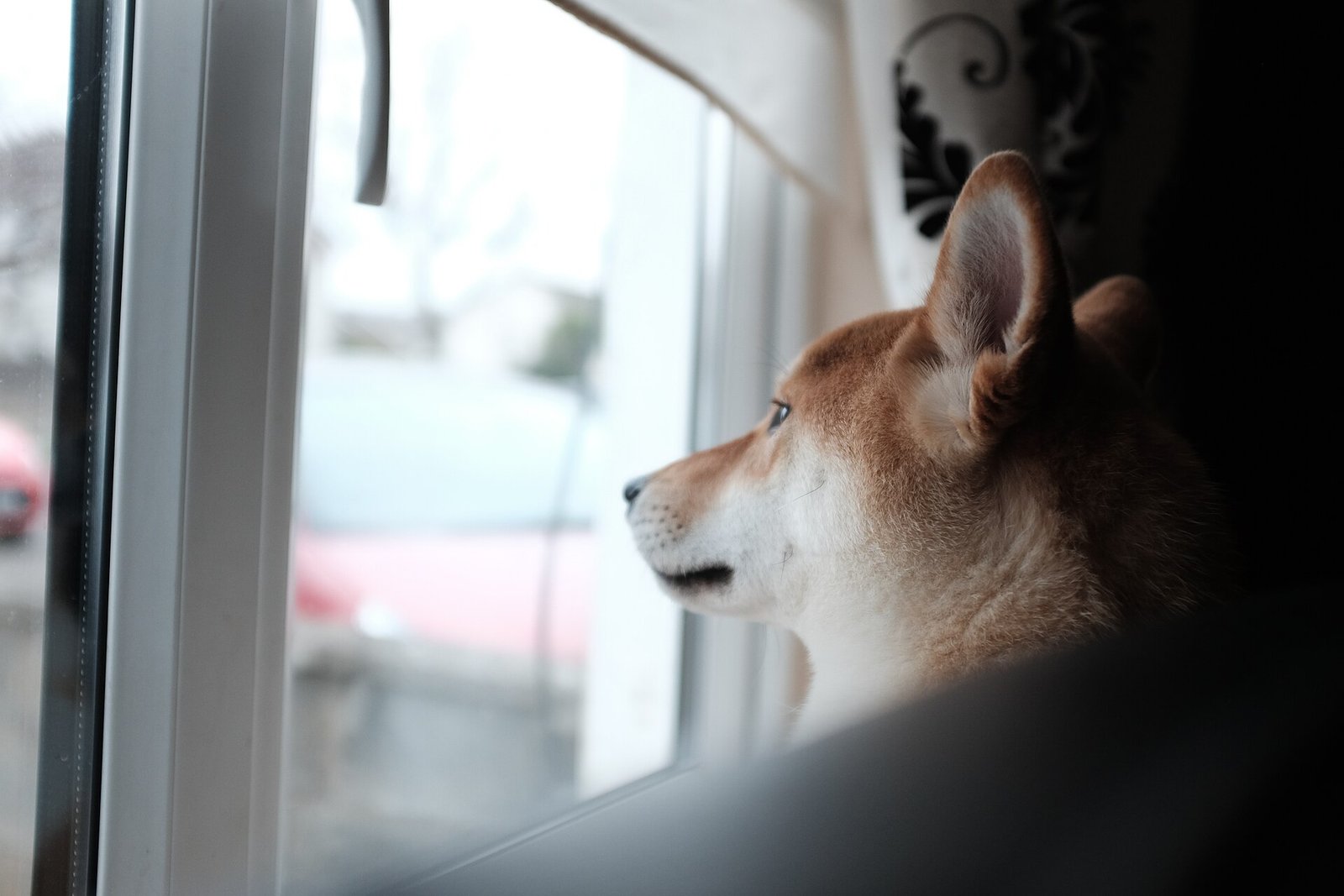
Does your dog bark, howl, chew the door frame or have accidents only when you leave the house? These can be signs of separation anxiety, one of the most common behavior problems in dogs. It is stressful for the dog and for the owner, but the good news is that it can usually be improved with patience and the right plan.
What is separation anxiety?
Separation anxiety is a state of genuine distress that a dog experiences when left alone or separated from the people they are attached to. It is not spite or disobedience. A dog with separation anxiety is not “getting back at you” for leaving; they are panicking.
Common signs
The key feature is that these behaviors happen mainly or only when the dog is alone or about to be alone:
- Barking, howling or whining that continues long after you leave
- Destructive chewing or digging, especially around doors and windows
- Urinating or defecating indoors in a dog who is otherwise house trained
- Pacing, trembling, heavy panting or excessive drooling
- Trying to escape, sometimes causing injuries to paws or teeth
- Becoming very anxious as you prepare to leave, such as when you pick up your keys or put on your shoes
- Following you from room to room and becoming upset when they cannot reach you
A simple way to know what is really happening is to record your dog with a phone or camera while you are out. Many owners are surprised by what they see.
Rule out other causes first
Some of these behaviors can have other explanations. Indoor accidents may be caused by a urinary tract infection or another medical issue. Chewing may simply reflect boredom or normal puppy behavior. Older dogs who suddenly become anxious may have pain, hearing or vision loss or age-related cognitive changes. A vet visit is a sensible first step to rule out medical problems.
What can trigger separation anxiety?
There is often no single cause, but common triggers include:
- A change in schedule, such as an owner returning to work after spending a lot of time at home
- Moving to a new home
- The loss of a family member or another pet
- A change of family, such as a dog adopted from a shelter
- A frightening event that happened while the dog was alone
What helps
1. Build up alone time very gradually
The core of treatment is teaching your dog that being alone is safe, in steps so small that they never panic. Start with absences of just a few seconds, such as stepping outside and coming right back. Slowly increase the time only when your dog stays relaxed. This can take weeks or months, and progress is rarely a straight line.
2. Change what your departure cues mean
If your dog gets anxious as soon as you pick up your keys, practice picking them up and then sitting down to watch TV. Put on your coat and then make dinner. Over time, these cues stop predicting that you are about to leave.
3. Keep departures and returns calm
Skip the long, emotional goodbyes and the over-excited greetings. Leave quietly, and when you return, wait until your dog is calm before giving attention.
4. Give them something positive to do
A food puzzle toy or a long-lasting chew that your dog only gets when you leave can make departures more pleasant. Note that dogs with severe anxiety often will not eat when alone, which is itself a sign that the anxiety is significant.
5. Make sure their needs are met
A walk, a play session or a sniffing game before you leave can help your dog settle. Exercise alone will not cure separation anxiety, but a tired, mentally satisfied dog usually copes better.
6. Avoid leaving them alone longer than they can handle
While you work on training, try to avoid absences that trigger panic. Doggy daycare, a dog sitter, a trusted friend or taking your dog to work, when possible, can bridge the gap. Each panic episode can set training back.
What does not help
- Punishment. Scolding your dog for damage or accidents after you get home only adds to their fear. They cannot connect it to something they did hours earlier.
- Getting another dog as a fix. Some dogs feel better with a companion, but separation anxiety is usually about being apart from a specific person, so a second dog often does not solve it.
- Crating a panicking dog. Some anxious dogs feel safer in a crate, but others panic even more and may injure themselves trying to escape.
When to get professional help
If your dog’s anxiety is severe, has been going on for a long time or is not improving, talk to your veterinarian. They can rule out medical issues and may refer you to a veterinary behaviorist or a certified separation anxiety trainer. In some cases, a vet may recommend anti-anxiety medication alongside behavior training. Medication is not a sign of failure; it can lower a dog’s anxiety enough for training to work.
This article is for general information only. Speak with your veterinarian or a qualified behavior professional about your dog’s specific situation.