Practical dog care guides for everyday owners


Category: Nutrition

What dogs should and should not eat, and how to choose food wisely.

  • How to Read a Dog Food Label: What Actually Matters

    How to Read a Dog Food Label: What Actually Matters

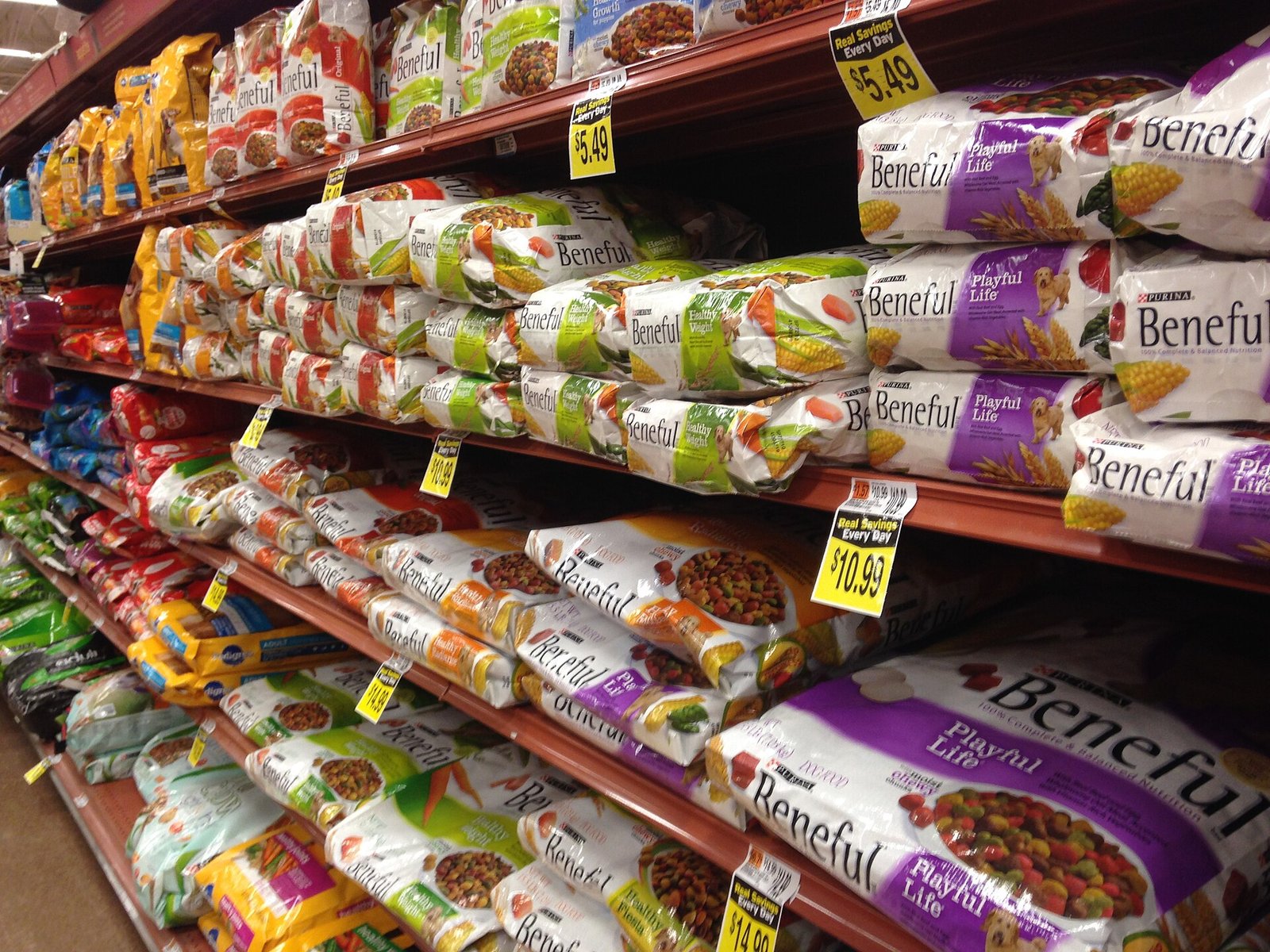
    The pet food aisle is full of attractive bags promising “natural,” “premium,” “holistic” and “human-grade” nutrition. Many of those words sound important but tell you very little. The real information is on the label, if you know where to look. Here is how to read a dog food label and spot what actually matters.

    1. Start with the nutritional adequacy statement

    If you only check one thing, check this. In the United States, most dog foods carry a short statement based on standards from the Association of American Feed Control Officials (AAFCO). It is often in small print near the guaranteed analysis.

    Look for wording that says the food is “complete and balanced” for a specific life stage, such as:

    • Growth (puppies), including whether it is suitable for large-size dogs, which have special calcium and phosphorus needs
    • Adult maintenance
    • All life stages, which means the food meets the requirements for growth and is also suitable for adults

    The statement also tells you how adequacy was established: either the food was formulated to meet nutrient profiles, or it was tested in feeding trials. Both are acceptable. If a food says it is “for intermittent or supplemental feeding only,” it is a treat or topper, not a complete diet.

    2. Understand what the product name tells you

    The wording of a product name follows rules that indicate how much of a named ingredient is in the food:

    • “Beef Dog Food”: the named ingredient makes up most of the product (at least 95 percent, not counting water).
    • “Beef Dinner,” “Platter,” “Entrée” or “Formula”: the named ingredient is at least 25 percent of the product.
    • “With Beef”: only about 3 percent is required.
    • “Beef Flavor”: there only needs to be enough to be detectable. There may be no actual beef meat at all.

    So “Chicken Dog Food” and “Dog Food with Chicken” can be very different products.

    3. Read the ingredient list, but do not over-read it

    Ingredients are listed in order by weight before cooking. Fresh meat contains a lot of water, so a food listing “chicken” first may contain less chicken protein after cooking than one listing “chicken meal,” which is a concentrated, dried form.

    Some things to keep in mind:

    • A single ingredient does not make or break a food. The overall formula is what matters.
    • By-products are not automatically bad. They can include nutritious organ meats.
    • Grain-free is not necessarily healthier. Most dogs digest grains well, and veterinary researchers have been investigating a possible link between some grain-free diets and a heart condition called dilated cardiomyopathy. Talk to your vet before choosing one.
    • Watch for “ingredient splitting,” where peas, pea protein and pea fiber are listed separately so that each one appears lower on the list.

    4. Check the guaranteed analysis

    The guaranteed analysis lists minimum percentages of crude protein and fat and maximum percentages of fiber and moisture. These are not exact amounts, just limits.

    To compare a wet food with a dry food, you need to account for water. Canned foods are often about 75 to 80 percent moisture, while dry kibble is usually around 10 percent. A canned food with 8 percent protein may actually contain more protein on a dry-matter basis than a kibble with 25 percent.

    5. Look at the feeding guidelines and calories

    The label should list calories per cup or per can and a feeding chart based on weight. Treat this chart as a starting point. Activity level, age, whether your dog is spayed or neutered and individual metabolism all change how much a dog needs. Adjust the amount based on your dog’s body condition, and ask your vet for help if you are unsure.

    6. Consider the company behind the food

    The label cannot tell you everything. Organizations such as the World Small Animal Veterinary Association suggest asking manufacturers questions like these:

    • Do you employ a qualified veterinary nutritionist?
    • Who formulates your diets, and what are their credentials?
    • Do you own the plants where your food is made, and what quality control do you use?
    • Can you provide calorie and nutrient information for this food?

    Reputable companies will answer readily.

    Marketing terms to take with a grain of salt

    Words like “premium,” “holistic,” “ancestral” and “human-grade” are largely marketing. A food can be expensive and beautifully packaged without being better for your dog. Focus on the adequacy statement, the company’s expertise and how your dog actually does on the food: steady weight, good energy, healthy skin and coat and normal stools.

    This article is for general information only. If your dog has a medical condition, ask your veterinarian before changing diets.

  • 10 Human Foods That Are Toxic to Dogs (and What to Do If Your Dog Eats One)

    10 Human Foods That Are Toxic to Dogs (and What to Do If Your Dog Eats One)

    Sharing food with your dog can feel like an act of love, but some common human foods are genuinely dangerous for dogs. A few can cause life-threatening problems even in small amounts. Here are the foods every dog owner should keep out of reach, why they are harmful and what to do if your dog eats one.

    1. Xylitol

    Xylitol is a sugar substitute found in some sugar-free gum, mints, candy, baked goods, toothpaste and even certain peanut butters. In dogs, it triggers a rapid release of insulin that can cause a dangerous drop in blood sugar, sometimes within minutes, and larger amounts can cause liver failure. Signs include vomiting, weakness, wobbling, collapse and seizures. Always check ingredient labels, and keep purses and bags with gum out of reach. Some products list it as “birch sugar.”

    2. Chocolate

    Chocolate contains theobromine and caffeine, which dogs process much more slowly than people. The darker and more bitter the chocolate, the more dangerous it is. Baking chocolate and cocoa powder are the most toxic, while milk chocolate is less concentrated but can still cause problems in small dogs. Signs include vomiting, diarrhea, restlessness, a racing heart, tremors and, in severe cases, seizures.

    3. Grapes and raisins

    Grapes, raisins, currants and sultanas can cause sudden kidney injury in some dogs. The exact cause was a mystery for years; researchers now suspect tartaric acid plays a role. What makes them so concerning is that there is no known safe amount, and some dogs react badly to just a few. Watch out for raisins hidden in trail mix, cereal, bagels and baked goods.

    4. Onions, garlic, leeks and chives

    All members of the allium family can damage a dog’s red blood cells and lead to anemia. This includes raw, cooked and powdered forms, so onion and garlic powder in seasonings, soups, gravies and baby food count too. Symptoms may not show up for several days and include weakness, pale gums, fast breathing and reddish urine.

    5. Macadamia nuts

    Macadamia nuts can cause weakness (especially in the back legs), vomiting, tremors and fever. The reaction usually appears within about twelve hours. It is rarely fatal, but it is very uncomfortable, and macadamias are often combined with chocolate in cookies, which makes things worse.

    6. Alcohol

    Dogs are far more sensitive to alcohol than people. Even small amounts from drinks, desserts or mouthwash can cause vomiting, disorientation, low body temperature, low blood sugar and breathing problems.

    7. Caffeine

    Coffee, coffee grounds, tea bags, energy drinks and caffeine pills affect dogs in much the same way chocolate does. Signs include restlessness, rapid breathing, a fast heartbeat and muscle tremors.

    8. Raw yeast dough

    Uncooked bread or pizza dough can keep rising in the warm, moist environment of the stomach, causing painful bloating. As the yeast ferments, it also produces alcohol that is absorbed into the bloodstream.

    9. Cooked bones

    Cooked bones, especially poultry bones, can splinter into sharp pieces that may injure the mouth, throat or intestines or cause a blockage. Never give leftovers from the table that still contain bones.

    10. Fatty and salty foods

    Bacon, fat trimmings, fried foods and rich holiday leftovers can trigger pancreatitis, a painful inflammation of the pancreas that can become serious. Salty snacks in large amounts can also cause problems. Holidays and barbecues are when vets see many of these cases.

    What about avocado?

    Avocado contains a substance called persin, which is much more dangerous to birds and some other animals than to dogs. For dogs, the bigger concerns are the pit, which can cause a choking hazard or intestinal blockage, and the high fat content. It is best not to offer it.

    What to do if your dog eats something toxic

    1. Stay calm and act quickly. Remove any remaining food and keep the packaging so you know the ingredients and amount.
    2. Call for advice right away. Contact your veterinarian, an emergency animal hospital or a pet poison hotline. In the United States, you can call the ASPCA Animal Poison Control Center at (888) 426-4435 or the Pet Poison Helpline at (855) 764-7661. A consultation fee may apply.
    3. Do not induce vomiting on your own. Only do this if a veterinarian specifically tells you to. Some substances cause more harm coming back up, and home methods like salt can be dangerous.
    4. Do not wait for symptoms. With toxins like xylitol and grapes, early treatment makes a big difference.

    Safer treats you can share

    If you love sharing snacks, there are plenty of dog-friendly options in small amounts: plain cooked chicken or turkey without skin or seasoning, plain cooked rice, carrots, green beans, cucumber slices, apple slices without the core or seeds, and blueberries. Keep treats to about ten percent of your dog’s daily calories, and introduce anything new slowly.

    This article is for general information only. If you think your dog has eaten something harmful, contact a veterinarian immediately.