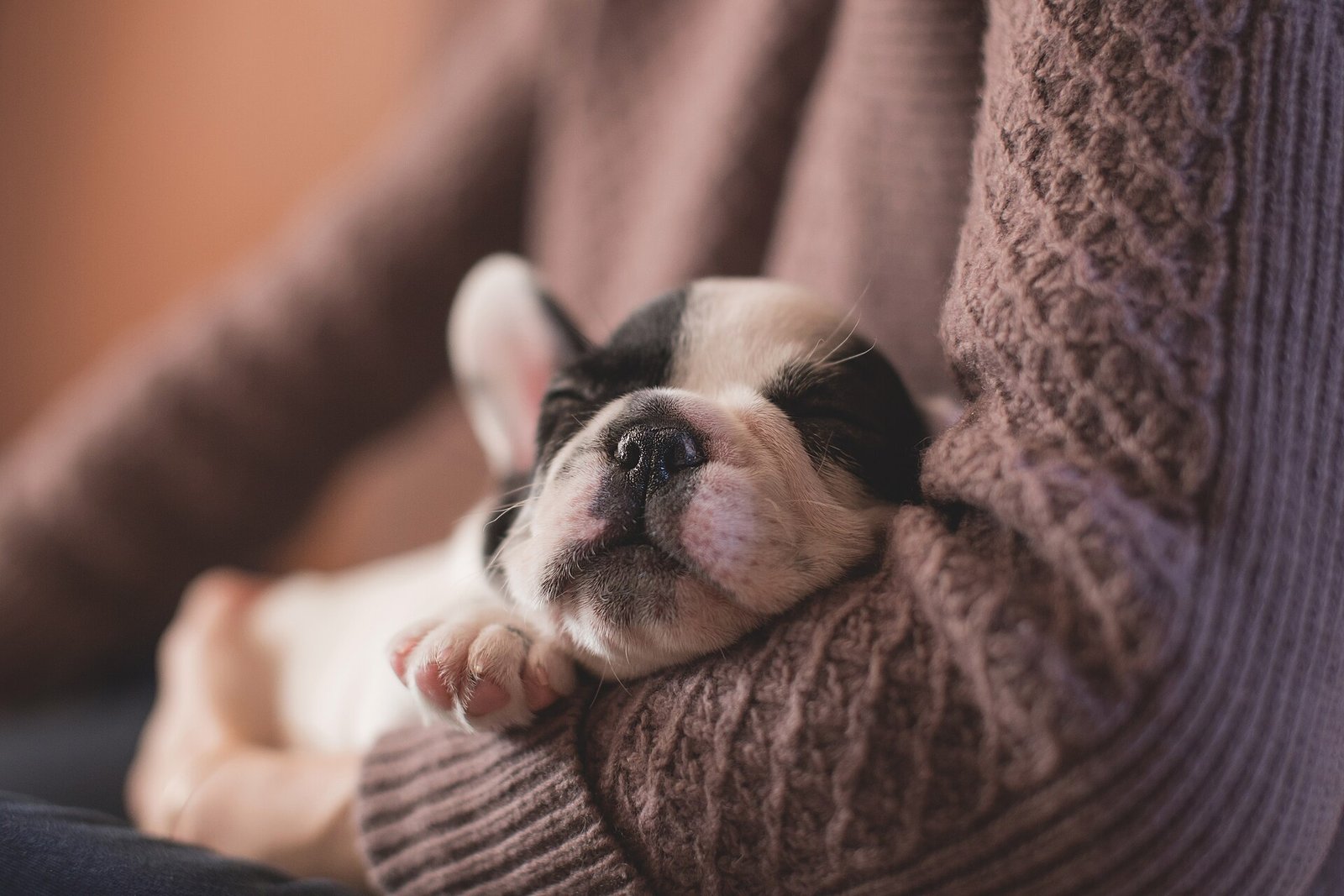
Bringing home a new puppy is exciting, and a little overwhelming. The first few weeks set the tone for your dog’s health, behavior and your relationship together. This checklist walks you through what to prepare before your puppy arrives and what to focus on during those first important weeks.
Before your puppy comes home
Gather the essentials
- A crate sized for your puppy, ideally with a divider so it can grow with them
- Food and water bowls (stainless steel or ceramic are easy to clean)
- The same food your puppy has been eating, at least for the first week or two
- A collar or harness with an ID tag, and a standard leash
- A comfortable, washable bed
- A variety of safe chew toys
- Small, soft training treats
- An enzyme-based cleaner for accidents, which breaks down odors that could attract your puppy back to the same spot
Puppy-proof your home
Get down at puppy level and look around. Puppies explore with their mouths, so remove or secure anything that could be chewed or swallowed:
- Electrical cords and chargers
- Shoes, socks, hair ties and children’s toys
- Trash cans, especially kitchen and bathroom bins
- Medications, cleaning products and anything containing xylitol
- Houseplants that may be toxic to dogs
Baby gates are a great way to limit your puppy to a safe area while they learn the house rules.
The first day
Keep the first day calm. It is tempting to invite everyone over to meet the new arrival, but your puppy has just left their littermates and everything familiar. Let them explore a small area, take them outside to the same potty spot often and give them plenty of time to sleep. Puppies typically sleep a great deal, often well over half the day.
The first week
Schedule a vet visit
Book a checkup within the first few days. Bring any records from the breeder or shelter. Your vet will examine your puppy, continue the vaccine series, check for parasites and discuss flea, tick and heartworm prevention. It is also a good time to ask about microchipping if your puppy is not already chipped.
Start a routine
Puppies thrive on predictability. Try to keep meals, potty breaks, play, training and naps at roughly the same times each day. Most young puppies eat three to four small meals a day.
Begin house training immediately
Take your puppy outside:
- First thing in the morning and last thing at night
- After every meal and drink
- After waking from a nap
- After play sessions
- Every one to two hours in between at first
Praise and reward calmly right after your puppy goes in the right spot. If an accident happens indoors, simply clean it up with an enzyme cleaner. Punishing a puppy for accidents tends to teach them to hide when they need to go, which makes training harder.
Weeks two to four
Socialization is time-sensitive
Puppies go through a sensitive socialization period that is commonly described as lasting until around 14 to 16 weeks of age. During this window, puppies are especially open to new experiences. Positive exposure now can help prevent fear and anxiety later in life.
Aim for gentle, positive introductions to:
- Different people, including children, people wearing hats and people with beards or glasses
- Household sounds like the vacuum, doorbell and hair dryer
- Different surfaces such as grass, tile, carpet and gravel
- Car rides, the vet clinic (just for treats) and being handled by a groomer
- Calm, healthy, fully vaccinated adult dogs
Until your puppy has completed their vaccines, avoid places where many unknown dogs go, such as dog parks and pet store floors. Well-run puppy classes that require vaccine records are usually a good option. Ask your vet when it is safe for your puppy to join one.
Teach the basics
Short, fun training sessions of a few minutes each work best. Good first skills include responding to their name, sitting, coming when called, walking on a loose leash and settling calmly on a mat. Reward-based training is effective and builds trust.
Handle your puppy gently every day
Touch their ears, paws, mouth and tail briefly while giving treats. This makes future vet exams, nail trims and tooth brushing much easier.
Food and feeding
Feed a diet labeled complete and balanced for growth, and for large-breed puppies, one formulated for large-size dogs. If you want to switch foods, do it gradually over about seven to ten days by mixing increasing amounts of the new food with the old to avoid an upset stomach.
Watch for warning signs
Young puppies can become sick quickly. Call your vet promptly if your puppy has vomiting or diarrhea, especially if it is bloody, refuses food, seems unusually tired, or has a cough or nasal discharge. Parvovirus, in particular, is a serious risk for puppies who have not finished their vaccines.
Be patient with yourself and your puppy
There will be chewed shoes, sleepless nights and accidents on the rug. That is normal. Consistency, patience and lots of rewards will carry you through, and before long you will have a well-adjusted companion.
This article is for general information only. Your veterinarian can give advice specific to your puppy’s breed, age and health.