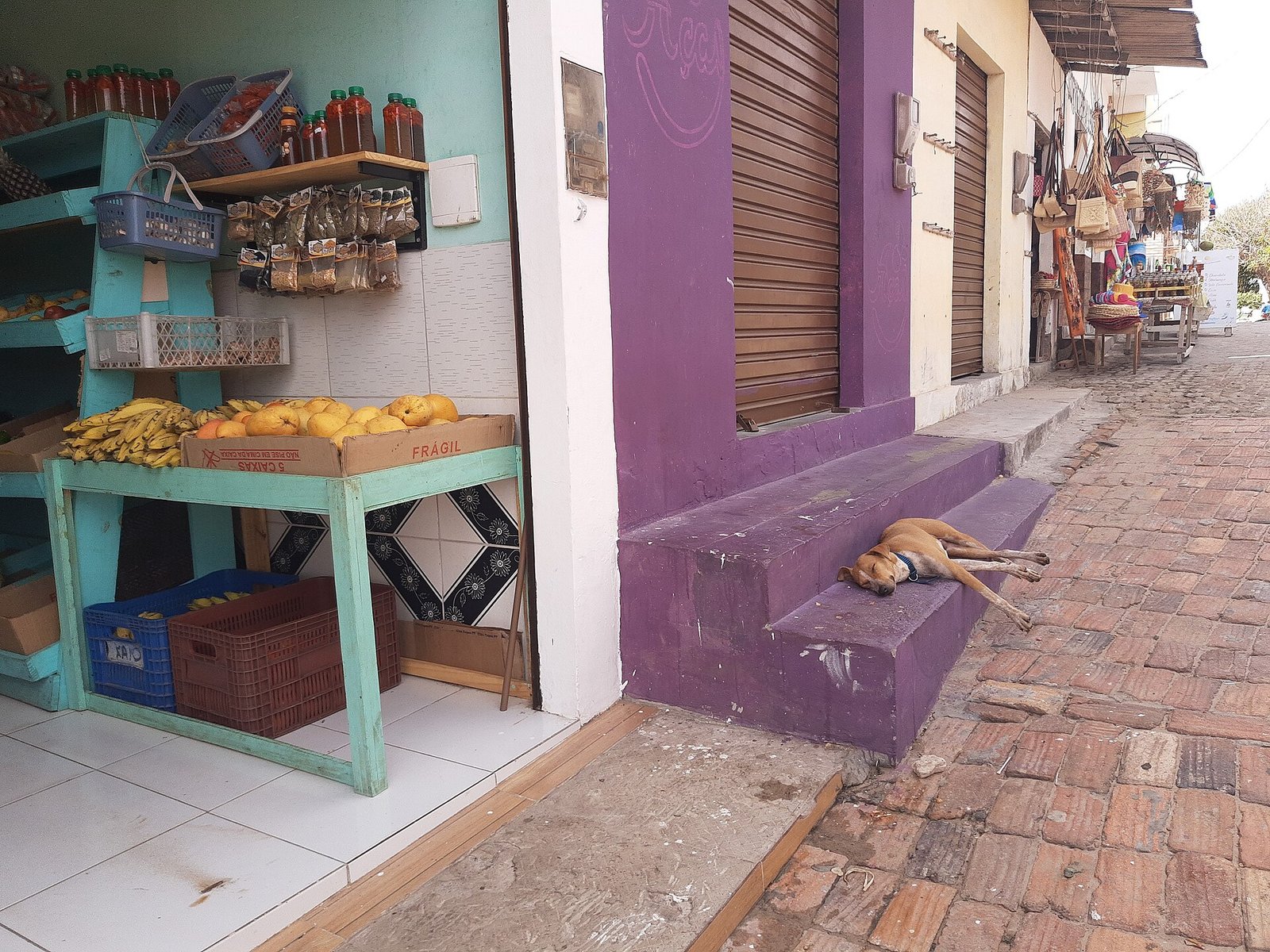
Dogs handle heat very differently from people. They have sweat glands mainly in their paw pads and rely mostly on panting to cool down, which is far less efficient than sweating. That makes them vulnerable to heatstroke, a medical emergency that can develop in minutes. Here is how to keep your dog safe when temperatures climb.
Which dogs are most at risk?
Any dog can overheat, but some are at higher risk:
- Flat-faced (brachycephalic) breeds such as Bulldogs, French Bulldogs, Pugs, Boxers and Shih Tzus, whose short airways make panting less effective
- Overweight dogs
- Puppies and senior dogs
- Dogs with thick or dark coats
- Dogs with heart, breathing or other medical conditions
- Very active or working dogs who may keep going even when they are getting dangerously hot
Never leave a dog in a parked car
This is the most important rule. The temperature inside a parked car can rise very quickly, even on a mild day, and cracking the windows makes little difference. A car can become dangerously hot within minutes. If you cannot bring your dog inside with you, leave them at home.
Walk at the right time and watch the pavement
Schedule walks and exercise for early morning or evening, when it is cooler. Asphalt, concrete and sand can become hot enough to burn paw pads. A simple test: place the back of your hand on the pavement for about seven seconds. If it is too hot for your hand, it is too hot for your dog’s paws. Walk on grass and in the shade when possible.
Provide water and shade
- Always have fresh, cool water available, both at home and on outings. Carry a collapsible bowl.
- Make sure outdoor dogs have real shade, such as trees or a tarp. A dog house can trap heat and is not a substitute for shade.
- On very hot days, keep your dog indoors with air conditioning or fans as much as possible.
- Cooling mats, a kiddie pool with a few inches of water and frozen treats such as ice cubes or frozen dog-safe broth can help.
Know the signs of heatstroke
Early signs of overheating include:
- Heavy, rapid panting
- Thick drool
- Bright red or dark gums and tongue
- Restlessness or seeking shade and water urgently
As heatstroke progresses, signs can include:
- Weakness, stumbling or collapse
- Vomiting or diarrhea, sometimes with blood
- Confusion or seeming unaware of surroundings
- Gums that turn pale or gray
- Seizures
What to do if your dog overheats
- Move your dog to a cooler place right away, such as shade or an air-conditioned room or car.
- Start cooling with cool, not ice-cold, water. Pour or sponge it over their body, especially the belly, neck and paws, and use a fan if you have one. Very cold water or ice can constrict blood vessels and slow cooling.
- Offer small amounts of water to drink if your dog is alert, but do not force it.
- Get to a vet immediately, even if your dog seems to recover. Heatstroke can cause internal damage to organs and blood clotting problems that are not visible right away. Keep cooling your dog on the way, and call ahead so the team is ready.
Other summer safety tips
- Do not shave double-coated breeds like Huskies or Golden Retrievers unless your vet recommends it. Their coat helps insulate against heat and protects against sunburn. Regular brushing to remove dead undercoat helps more.
- Protect against sunburn. Dogs with pink skin, thin or white coats can burn on the nose and ears. Ask your vet about a pet-safe sunscreen.
- Be careful around water. Not all dogs are natural swimmers. Use a dog life jacket on boats and supervise around pools.
- Watch for water hazards. Avoid letting dogs swim in or drink from stagnant water or water with visible algae blooms, which can be toxic.
- Adjust exercise. Shorter, gentler activity is better on hot days. A sniffing game indoors can be just as tiring as a run.
Heatstroke is an emergency. This article is for general information only; if you suspect your dog is overheating, contact a veterinarian right away.