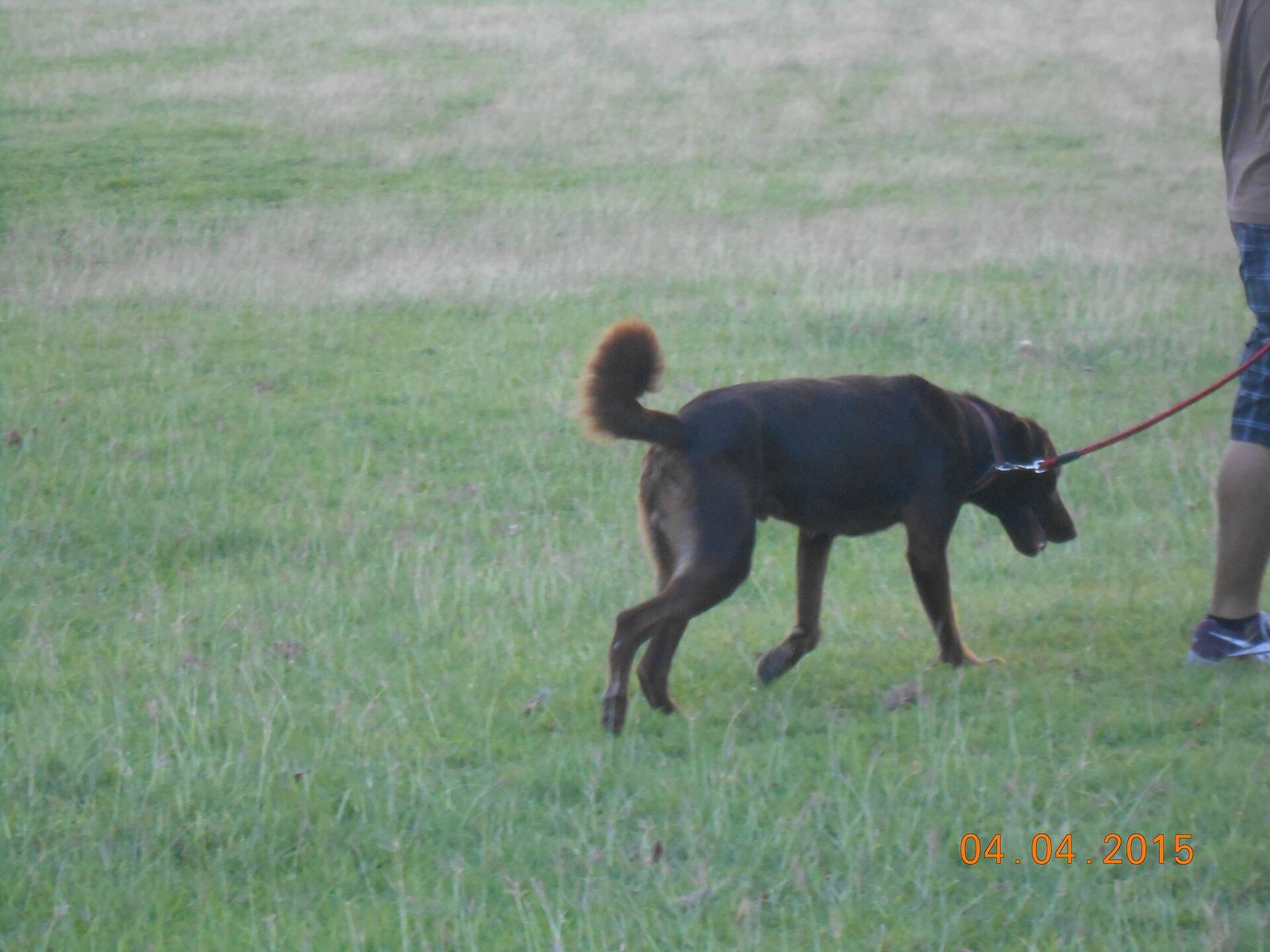
Exercise is just as important for dogs as food and vet care. A well-exercised dog is usually calmer, healthier and easier to live with. But “how much exercise does my dog need?” depends a lot on the individual dog. Here is a practical guide.
It depends on the dog
As a broad guideline, many adult dogs do well with somewhere between 30 minutes and 2 hours of activity per day. Where your dog falls in that range depends on several factors:
- Breed and type. Herding, sporting and working breeds, such as Border Collies, Australian Shepherds, Labrador Retrievers and Belgian Malinois, were developed to work all day and usually need more activity. Many toy breeds and some giant breeds need less.
- Age. Young adult dogs often have the most energy. Seniors still need regular activity, but at a gentler pace.
- Health. Dogs with arthritis, heart disease or breathing problems need a plan tailored with their vet.
- Body shape. Flat-faced breeds such as Pugs, French Bulldogs and Bulldogs overheat easily and should exercise in short, cool sessions.
- Individual personality. Two dogs of the same breed can have very different energy levels.
Signs your dog needs more exercise
- Destructive chewing or digging
- Restlessness, pacing or trouble settling in the evening
- Excessive barking or attention-seeking
- Rough, over-excited play
- Weight gain
These can have other causes too, but a lack of physical and mental activity is a very common one.
Exercise for puppies
Puppies have bursts of energy followed by long naps. They benefit most from short play sessions, gentle walks, exploring new places and training games. Avoid long, forced runs on hard surfaces or repetitive high-impact activities until your vet says their joints are mature, which may be later for large and giant breeds. You may hear a rule of thumb like “five minutes of structured exercise per month of age”; it is not based on firm science, but it reflects the general idea of keeping structured exercise moderate while letting puppies play freely and rest when they want.
Exercise for senior dogs
Older dogs still need to move to keep muscles strong and joints flexible. Several shorter walks often work better than one long one. Swimming can be easy on stiff joints. Watch for signs of pain or fatigue and adjust accordingly.
Do not forget mental exercise
Physical activity is only half the picture. Mental stimulation can tire a dog out as much as a long walk. Try:
- Sniff walks, where your dog sets the pace and explores smells
- Food puzzles and snuffle mats
- Short training sessions to learn new tricks
- Hide-and-seek with toys or treats
- Dog sports such as agility, scent work or rally
Ideas to vary your routine
- Fetch or tug games in the yard
- Hiking on new trails
- Swimming for water-loving dogs
- Play dates with a compatible dog friend
- Jogging or bike rides for fit adult dogs, once cleared by your vet
Safety tips
- Build up gradually, especially if your dog is overweight or out of shape.
- Avoid strenuous exercise in hot weather and right after big meals.
- Check paw pads after walks on rough or hot surfaces.
- Bring water on longer outings.
- Talk to your vet before starting an intense exercise program.
This article is for general information only. Your veterinarian can help you plan the right amount and type of exercise for your dog.