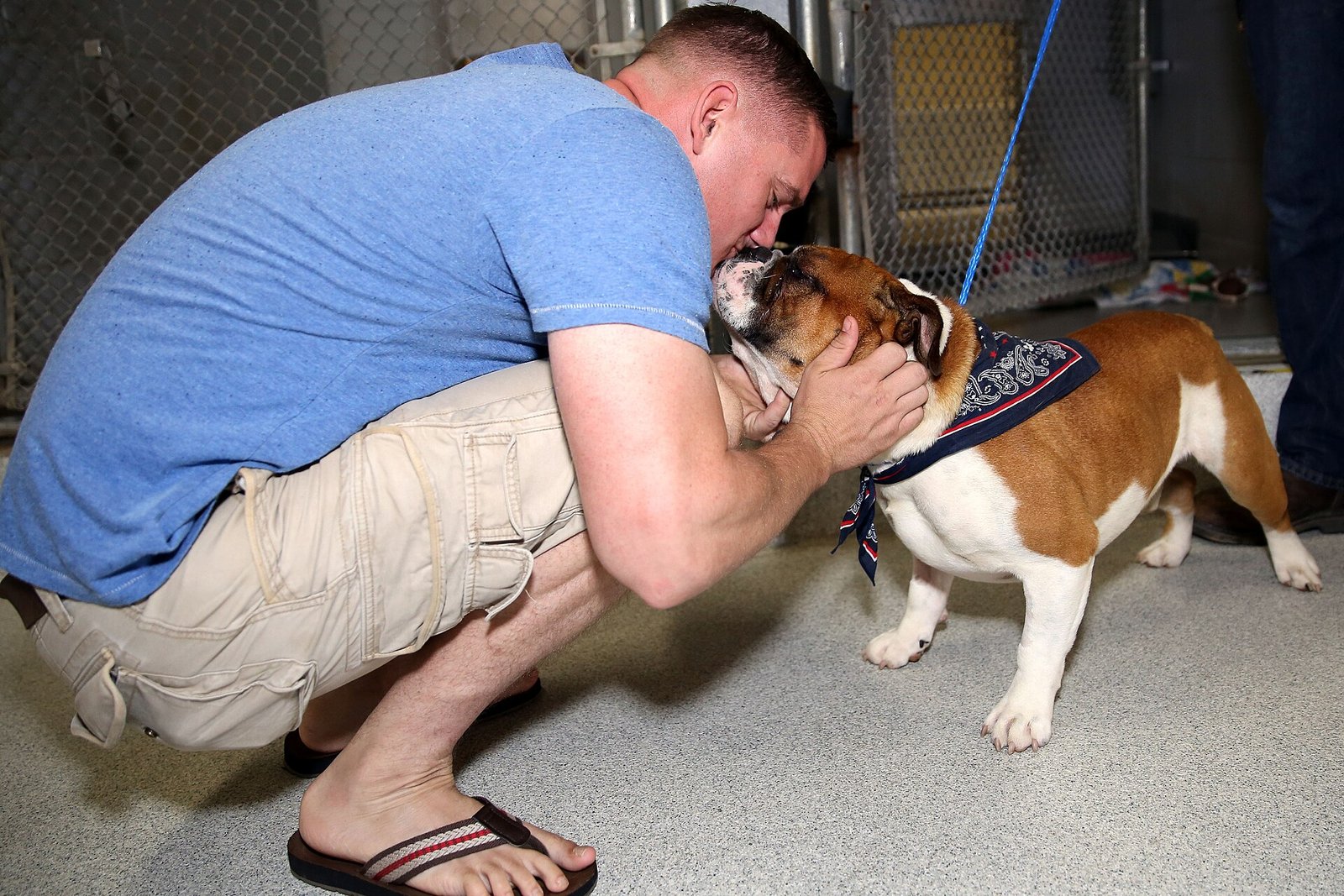
Adopting a rescue dog is a wonderful thing to do. But the first days and weeks in a new home can be overwhelming for a dog who has just left a shelter or foster home. Understanding what your new dog is going through, and giving them time, makes the transition much smoother for everyone.
The 3-3-3 guideline
Many shelters and rescue groups share a simple rule of thumb to set expectations. It is not a strict timeline, and every dog is different, but it is a helpful way to think about adjustment:
- The first 3 days: Your dog may feel overwhelmed and unsure. They might not eat much, may hide or seem shut down, or may be restless. This is normal.
- The first 3 weeks: Your dog starts to settle, learns the routine and begins to show more of their real personality. Some new behaviors, good and challenging, may appear.
- The first 3 months: Many dogs start to feel truly at home, trust their family and feel secure in their routine.
Before your dog comes home
- Set up a quiet space with a bed, water and perhaps a crate with the door open, away from the busiest part of the house.
- Dog-proof the home: secure trash, cords, shoes and anything chewable.
- Check fences and gates. Newly adopted dogs are at higher risk of running away.
- Have a collar or harness with an ID tag ready, and make sure the microchip is registered to you.
- Buy the same food the shelter was feeding, if possible.
The first few days
Keep things calm and simple
Resist the urge to introduce your new dog to all your friends and family right away. Give them time to decompress in a quiet environment. Short, calm walks in low-traffic areas are better than busy parks.
Start a routine
Regular times for meals, walks, potty breaks and bedtime help your dog understand what to expect, which reduces stress.
Let your dog come to you
Some rescue dogs love attention right away; others need space. Let your dog approach you, and avoid forcing hugs, picking them up or leaning over them. Calm, gentle interaction builds trust.
Expect some accidents
Even dogs who were house trained may have accidents in a new home. Take them out often, reward outdoor potty breaks and clean any indoor accidents with an enzyme cleaner.
Introducing other pets and people
- Other dogs: Introduce dogs on neutral ground, on leash, with a parallel walk before letting them interact. Keep the first meetings short and supervise closely. Feed dogs separately and pick up high-value toys and chews at first.
- Cats: Keep the dog on leash or behind a gate at first, and give the cat escape routes. Go slowly; this can take weeks.
- Children: Teach children to let the dog approach them, not to hug or disturb the dog while resting or eating, and always supervise.
Schedule a vet visit
Within the first week or two, take your dog to your veterinarian. Bring any records from the shelter. Your vet can check overall health, update vaccines and parasite prevention and discuss any concerns about weight, teeth or behavior.
Behavior you might see, and how to help
- Not eating for a day or two: Common from stress. If it continues longer, or your dog also seems unwell, call your vet.
- Following you everywhere: Many rescue dogs attach quickly. Practice short periods of separation from the start to help prevent separation anxiety.
- Fearfulness: Go at your dog’s pace. Pair new experiences with treats and never force interactions.
- Guarding food or toys: Give your dog space while eating and avoid taking things away. If guarding is intense, consult a qualified trainer or veterinary behaviorist.
Training
Start with simple, reward-based training a few minutes a day: name recognition, sit, come and a calm settle on a mat. Training builds communication and confidence. Avoid harsh corrections, which can damage trust with a dog who is still learning to feel safe.
Be patient
Some rescue dogs settle in days; others take months. Patience, consistency and kindness are the most powerful tools you have. If you are struggling, reach out to the rescue organization, your vet or a certified trainer. Asking for help early can prevent small problems from becoming big ones.
This article is for general information only. Contact a qualified trainer or veterinary behaviorist for help with specific behavior concerns.