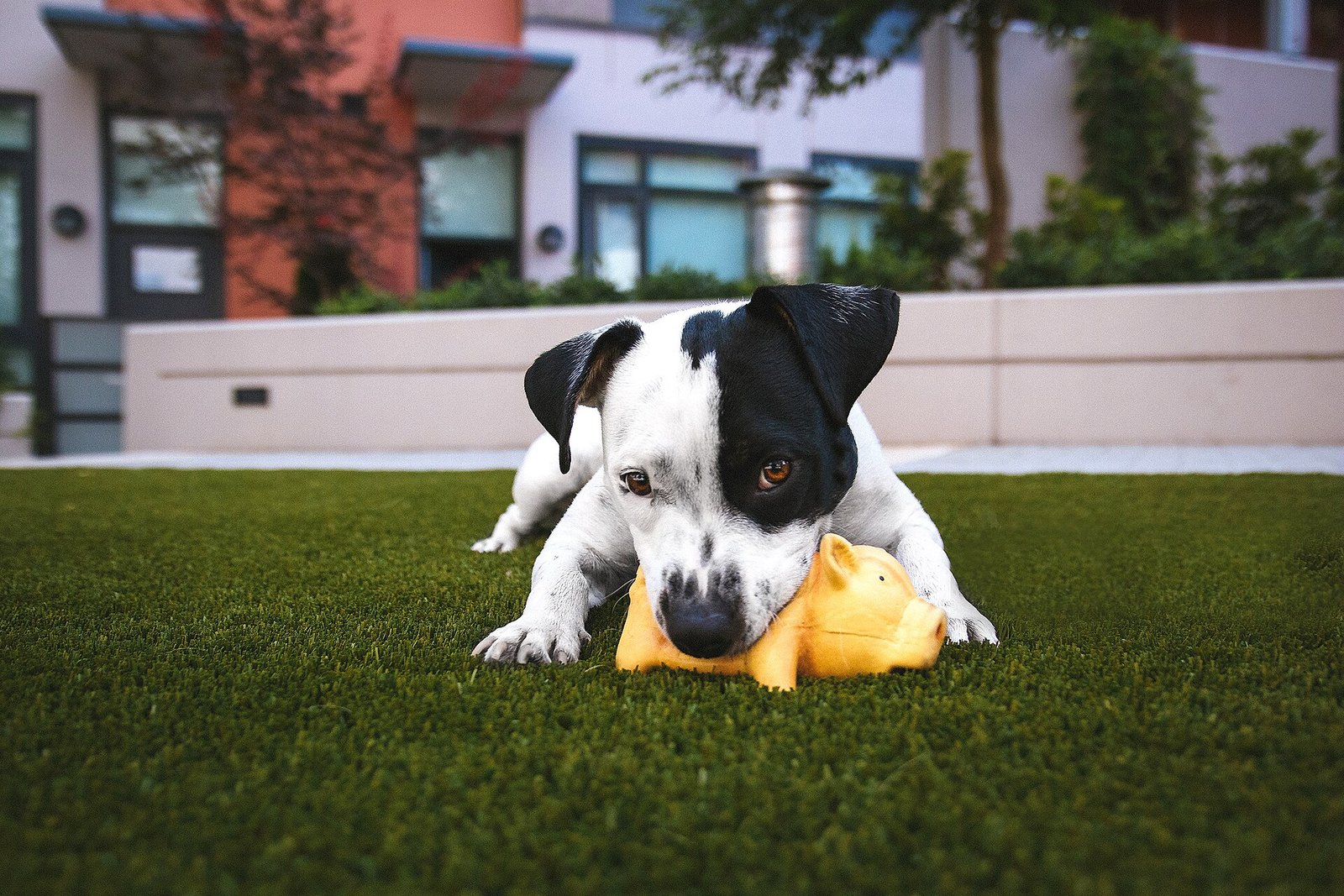
Crate training, done well, gives your dog a safe, quiet space of their own and makes house training, travel and vet stays much easier. Done poorly, it can create stress. The difference comes down to going slowly and making the crate a place your dog genuinely likes. Here is a step-by-step approach.
Why crate train?
- House training. Most dogs avoid soiling the area where they sleep, so a properly sized crate helps puppies learn bladder control.
- Safety. A crate keeps a young puppy away from cords, trash and other hazards when you cannot supervise.
- A calm retreat. Many dogs choose to rest in their crate when the house is busy or noisy.
- Travel and vet visits. Dogs who are comfortable in a crate are less stressed during car rides, at the groomer or if they need to stay at the vet.
Choosing the right crate
The crate should be big enough for your dog to stand up, turn around and lie down comfortably, but not so big that they can sleep at one end and use the other as a bathroom. For puppies, a crate with a divider lets you adjust the space as they grow.
Place the crate somewhere your family spends time, such as the living room, rather than isolated in a basement or garage. At night, many puppies settle more easily with the crate in or near your bedroom.
Step 1: Introduce the crate as a good place
Leave the door open and let your dog explore at their own pace. Toss a few treats near the entrance, then just inside, then all the way to the back. Put a comfortable blanket and a favorite toy inside. Never force your dog in.
Step 2: Feed meals in the crate
Start placing your dog’s food bowl near the crate, then gradually move it inside. Once your dog is eating comfortably inside, begin closing the door while they eat and open it as soon as they finish. Over several meals, leave the door closed for a few extra minutes after they eat.
Step 3: Practice short periods with you nearby
Ask your dog to go into the crate with a cue such as “crate” or “bed,” reward them, close the door and sit nearby for five to ten minutes. Then let them out calmly. Gradually lengthen the time, and start leaving the room for short periods.
A long-lasting chew or a food puzzle toy can help your dog associate the crate with something enjoyable.
Step 4: Short absences from the house
Once your dog can stay calmly in the crate for about thirty minutes while you are out of sight, start leaving the house for short periods. Keep departures and arrivals low-key. Big emotional goodbyes and excited greetings can make your absence feel like a bigger deal.
Step 5: Crating overnight
For puppies, expect to take them out during the night at first. A common rule of thumb is that puppies can hold their bladder for roughly one hour per month of age, plus one, up to a maximum of several hours. A three-month-old puppy may need a potty break every three to four hours, including at night. Keep nighttime trips quiet and boring: out, potty, praise and back to bed.
How long can a dog stay in a crate?
Crates are for short periods, not for spending most of the day. Young puppies cannot physically hold it for long, and adult dogs need exercise, social time and mental stimulation. If you work long hours, consider a dog walker, a trusted neighbor or doggy daycare. As a general guideline, adult dogs should not be crated for much more than a few hours at a time during the day.
Common mistakes to avoid
- Using the crate as punishment. The crate should always be associated with good things.
- Letting your dog out while they are whining. If you are sure they do not need to potty, wait for a moment of quiet before opening the door, so they learn that calm behavior is what opens it.
- Moving too fast. Some dogs take days, others take weeks. Go at your dog’s pace.
- Leaving a collar with tags on. Tags can get caught on crate wires. A breakaway collar or no collar in the crate is safer.
When crate training is not working
If your dog panics in the crate, for example drooling heavily, trying to escape, injuring themselves or eliminating every time they are confined, stop and talk to your veterinarian or a certified behavior professional. These can be signs of separation anxiety or confinement anxiety, which need a different approach.
This article is for general information only. A qualified trainer or veterinary behaviorist can help if your dog shows signs of distress.