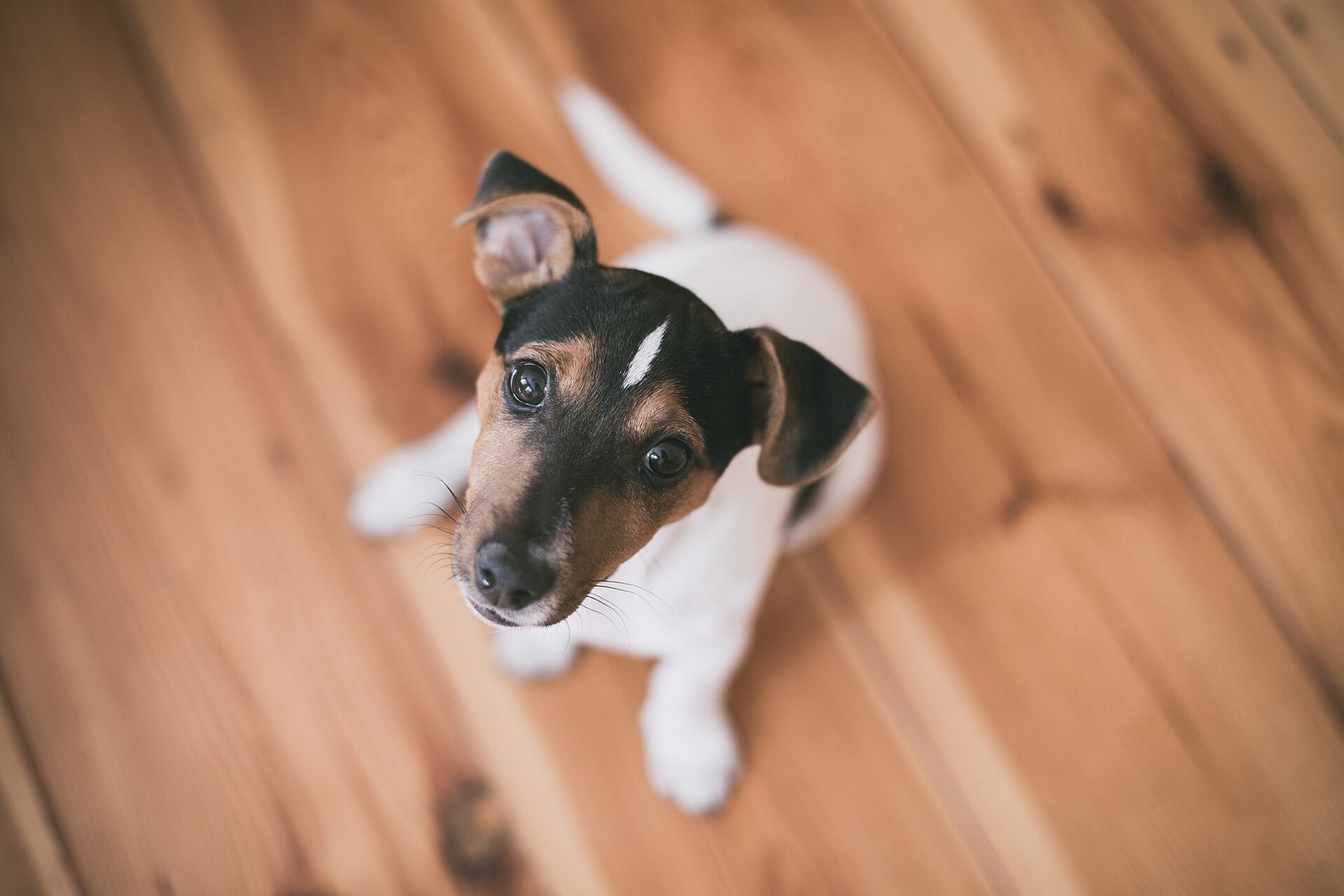
If your new puppy treats your hands like chew toys, you are not alone. Puppy biting, often called mouthing or nipping, is completely normal. Puppies explore the world with their mouths, and they are also teething. The goal is not to stop all mouthing overnight but to teach your puppy gentle manners and give them better outlets.
Why puppies bite
- Play. Puppies wrestle and bite each other when they play. Your hands and ankles are simply new playmates.
- Teething. Puppies lose their baby teeth and grow adult teeth, usually between about three and six months of age. Chewing relieves the discomfort.
- Exploration. Mouths are how puppies learn about textures and objects.
- Overtiredness. Like toddlers, overtired puppies often get wild and bitey. Many “crazy” moments are really a sign the puppy needs a nap.
What works
1. Redirect to a toy
Keep chew toys within reach in every room. When your puppy starts mouthing you, calmly offer a toy instead. Long, floppy toys or rope toys are great because they keep the puppy’s teeth farther from your hands. Praise when they chew the toy.
2. Pause the play
If your puppy bites hard, calmly stop the game. Stand up, fold your arms and look away for a few seconds, or step behind a baby gate. The lesson is simple: biting makes the fun stop. Resume play when your puppy is calm.
3. Make sure your puppy gets enough sleep
Young puppies need a lot of sleep, often well over half the day. If biting gets worse in the evening or after busy play sessions, try a quiet nap in a crate or pen with a chew toy.
4. Provide appropriate chewing outlets
Offer a variety of safe chews with different textures. Some puppies like soft rubber toys that can be frozen for teething relief. Rotate toys to keep them interesting.
5. Exercise the brain, not just the body
Short training sessions, food puzzles and sniffing games tire puppies out in a calmer way than rough play.
6. Teach a reliable “sit” and “settle”
Reward calm behaviors generously. A puppy who learns that sitting calmly earns attention will start offering that instead of jumping and nipping.
What to avoid
- Physical punishment. Tapping the nose, holding the mouth shut or “alpha rolls” can make puppies fearful and may actually increase biting.
- Rough play with hands. Wrestling with your hands teaches that hands are toys.
- Pulling your hand away quickly. Fast movements can make your hand seem more like prey. Freeze instead, then redirect.
- Inconsistency. Everyone in the family should follow the same rules.
Children and puppies
Puppies often nip children more than adults because kids move quickly and squeal, which looks like play. Always supervise interactions, teach children to stand still “like a tree” if the puppy gets mouthy, and give children toys to offer the puppy. Use baby gates to give everyone a break when needed.
How long does puppy biting last?
Most puppies grow out of intense mouthing as they finish teething and mature, often by around six months of age, especially when owners are consistent. Some breeds, particularly retrievers and herding breeds, are naturally more mouthy and may need extra practice.
When to seek help
Normal puppy mouthing is playful and loose. Talk to your veterinarian or a qualified trainer if your puppy’s bites seem driven by fear or guarding, such as growling and stiffening over food or toys, biting when handled or picked up, or if biting is getting worse rather than better as your puppy grows.
This article is for general information only. A certified trainer or veterinary behaviorist can help with persistent biting problems.