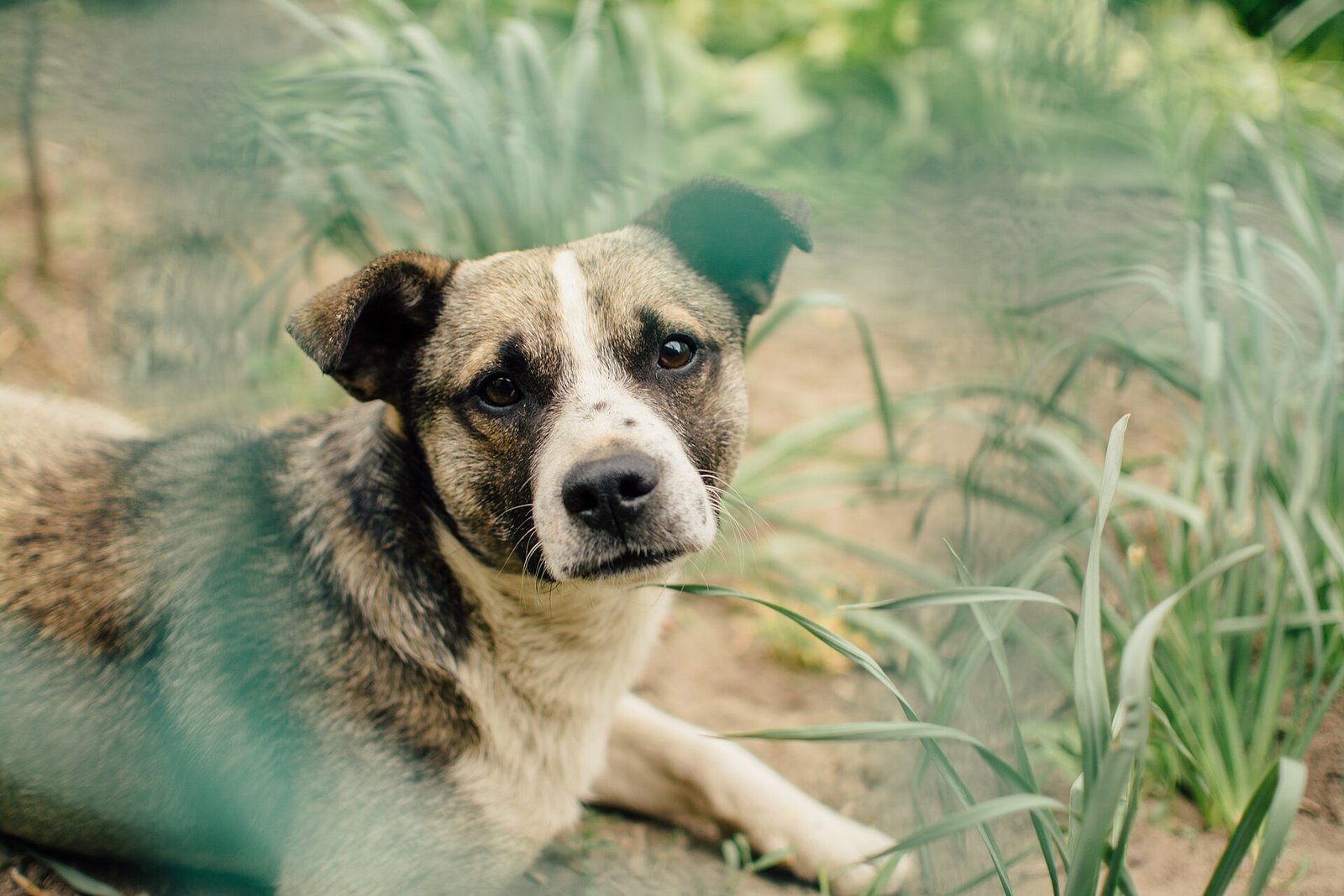
Every dog scratches now and then, but constant scratching, licking, chewing or rubbing is a sign that something is bothering your dog’s skin. Itching can disrupt sleep, lead to skin infections and make your dog miserable. Here are the most common causes and what you can do.
Signs your dog is itchy
- Frequent scratching, especially at night
- Licking or chewing the paws, legs or belly
- Rubbing the face on furniture or the floor
- Head shaking or scratching at the ears
- Red skin, bumps, scabs or hair loss
- Reddish-brown staining on light-colored fur from constant licking
- A greasy coat or unusual odor
Common causes of itchy skin in dogs
1. Fleas
Fleas are the first thing to rule out, even if you have not seen any. Some dogs are allergic to flea saliva, and a single bite can cause intense itching, often around the lower back and base of the tail. Look for small dark specks of flea dirt in the coat; if they turn reddish when placed on a damp paper towel, it is digested blood from fleas.
2. Environmental allergies
Dogs can be allergic to pollen, dust mites, mold and other things in their environment. This is often called atopic dermatitis. Symptoms commonly affect the paws, face, ears, armpits and belly, and may be seasonal at first. It often begins in young adult dogs.
3. Food allergies
Food allergies are less common than environmental allergies but do occur. They are usually a reaction to a protein, such as beef, chicken or dairy. Itching tends to happen year-round and may come with ear infections or digestive upset. The only reliable way to diagnose a food allergy is a strict elimination diet trial guided by your vet, typically lasting at least eight weeks.
4. Skin infections
Bacterial and yeast infections often develop on skin that is already irritated by allergies or scratching. Yeast can cause a greasy feel and a musty smell, especially between the toes and in the ears.
5. Mites
Sarcoptic mange, caused by mites, causes extremely intense itching, often starting on the ear edges, elbows and belly. It is contagious to other dogs and can cause temporary itching in people. Another type, demodectic mange, more often causes hair loss than itching.
6. Dry skin and irritants
Bathing too often, using harsh shampoos, low humidity or contact with certain cleaning products can dry or irritate the skin.
What you can do at home
- Use reliable flea prevention year-round for every pet in the home.
- Wipe paws after walks during allergy season to remove pollen.
- Wash bedding weekly in hot water.
- Use a gentle dog shampoo and avoid over-bathing.
- Do not use human creams or medications without your vet’s approval. Some are toxic if licked.
- Keep a symptom diary noting when itching is worse, where it is and any changes in food or environment. This helps your vet find the cause.
When to see the vet
See your vet if itching lasts more than a few days, keeps your dog up at night, or if you notice open sores, hair loss, a bad smell, ear problems or scabs. Itchy skin is very treatable, but the right treatment depends on the cause. Your vet may do skin scrapings, look at skin cells under the microscope, check for parasites or recommend allergy testing or a diet trial.
Many effective treatments are available today, from parasite control and medicated shampoos to modern anti-itch medications for allergic dogs. With the right plan, most itchy dogs can become comfortable again.
The bottom line
Persistent itching is not something your dog should just live with. Start with flea control, watch for patterns and work with your veterinarian to find and treat the underlying cause.
This article is for general information only. See your veterinarian for diagnosis and treatment of skin problems.