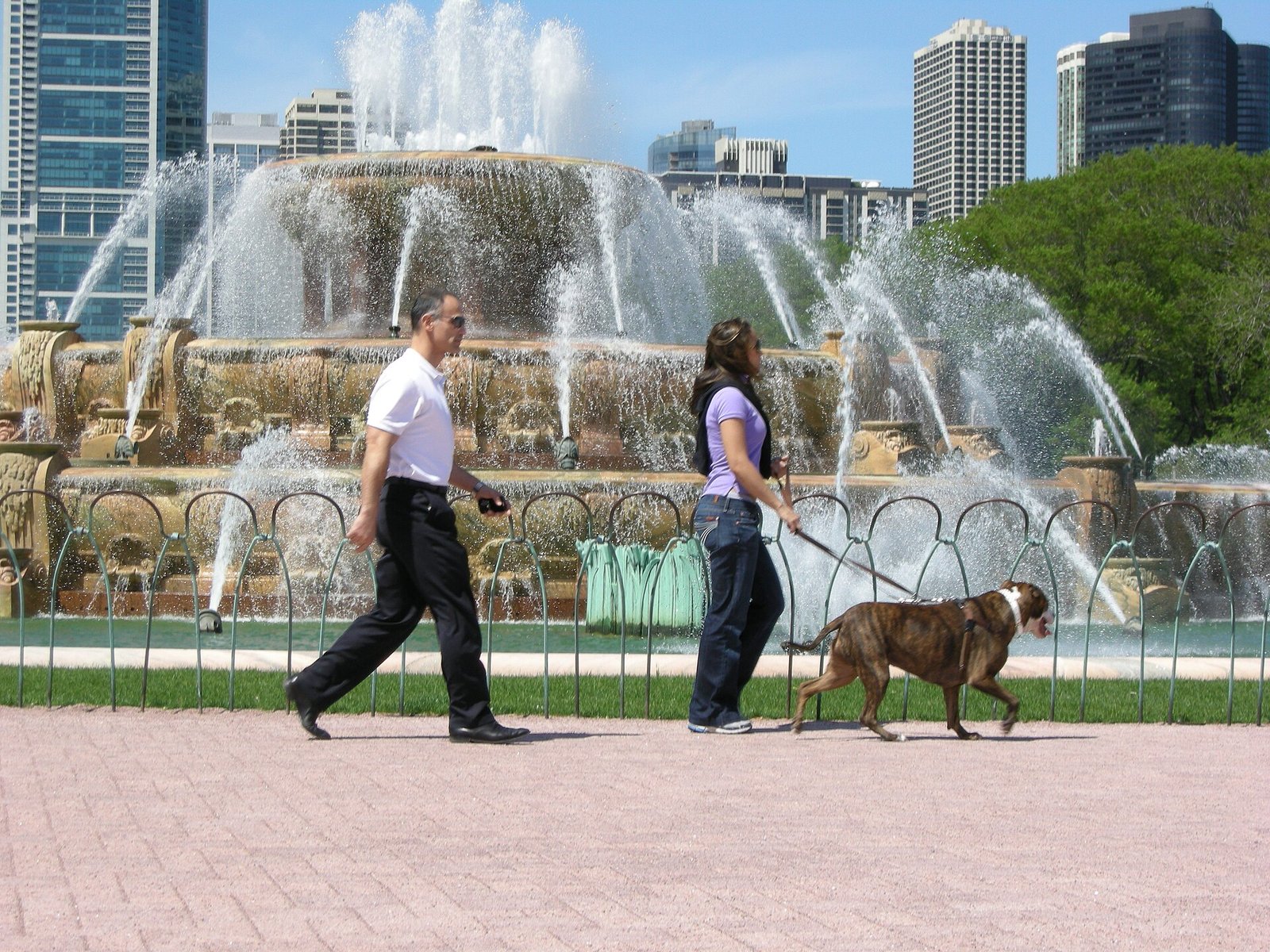
Walks should be the best part of your dog’s day, and yours. But a dog who pulls constantly turns every outing into a tug-of-war. Pulling can also be risky, causing falls for owners and pressure on a dog’s neck. The good news is that loose-leash walking is a skill any dog can learn with patience and consistency.
Why dogs pull
Dogs pull because it works. Every time pulling gets them closer to an interesting smell, another dog or the park, the behavior is rewarded. Dogs also naturally walk faster than people, and the world outside is exciting. Our job is to teach them that a loose leash is what gets them where they want to go.
Choose the right equipment
- A well-fitted harness with a front clip on the chest can reduce pulling by turning the dog gently toward you when they pull.
- A standard leash about 1.5 to 2 meters (5 to 6 feet) long gives enough room without too much slack.
- Avoid retractable leashes while training. They teach dogs that pulling extends the leash.
- Avoid tools that rely on pain, such as prong or choke collars. They can cause injury and fear and are not necessary to teach good walking.
Step 1: Reward the position you want
Start indoors or in your yard where there are few distractions. Choose a side for your dog to walk on. Each time your dog is next to you with a loose leash, mark it with a word like “yes” and give a small treat at your leg. Many dogs quickly learn that being near you pays well.
Step 2: Stop when the leash gets tight
When your dog pulls, stop walking and stand still. Wait until the leash loosens, either because your dog looks back or steps toward you. Then mark and reward, and continue walking. This teaches that pulling stops progress and a loose leash makes it happen.
Step 3: Change direction
If your dog pulls ahead, calmly turn and walk the other way. Reward when your dog catches up beside you. Changing direction often keeps your dog paying attention to where you are going.
Step 4: Practice in short sessions
Training walks of five to ten minutes are more effective than long, frustrating ones. Gradually increase distractions: first your street, then a busier area, then near a park.
Step 5: Let your dog sniff
Sniffing is mentally enriching and important for dogs. Use it as a reward: after a stretch of nice walking, say a release word like “go sniff” and let your dog explore. This gives them a reason to cooperate and makes walks more satisfying.
Tips for success
- Burn some energy first. A game of fetch in the yard before a training walk can help very energetic dogs focus.
- Use tasty, small treats. On busy streets, ordinary kibble may not compete with the distractions.
- Be consistent. If pulling sometimes works, your dog will keep trying. Everyone who walks the dog should use the same rules.
- Manage when you cannot train. On days you are in a hurry, a front-clip harness can help limit pulling without undoing your training.
- Be patient. Progress can take weeks. Celebrate small improvements.
When pulling is about fear or reactivity
If your dog lunges, barks or pulls hard toward or away from other dogs, people or vehicles, the issue may be fear or frustration rather than simple excitement. In those cases, increasing distance from the trigger and working with a qualified positive-reinforcement trainer or veterinary behaviorist is the best approach.
This article is for general information only. A certified trainer can help you build a plan for your dog.