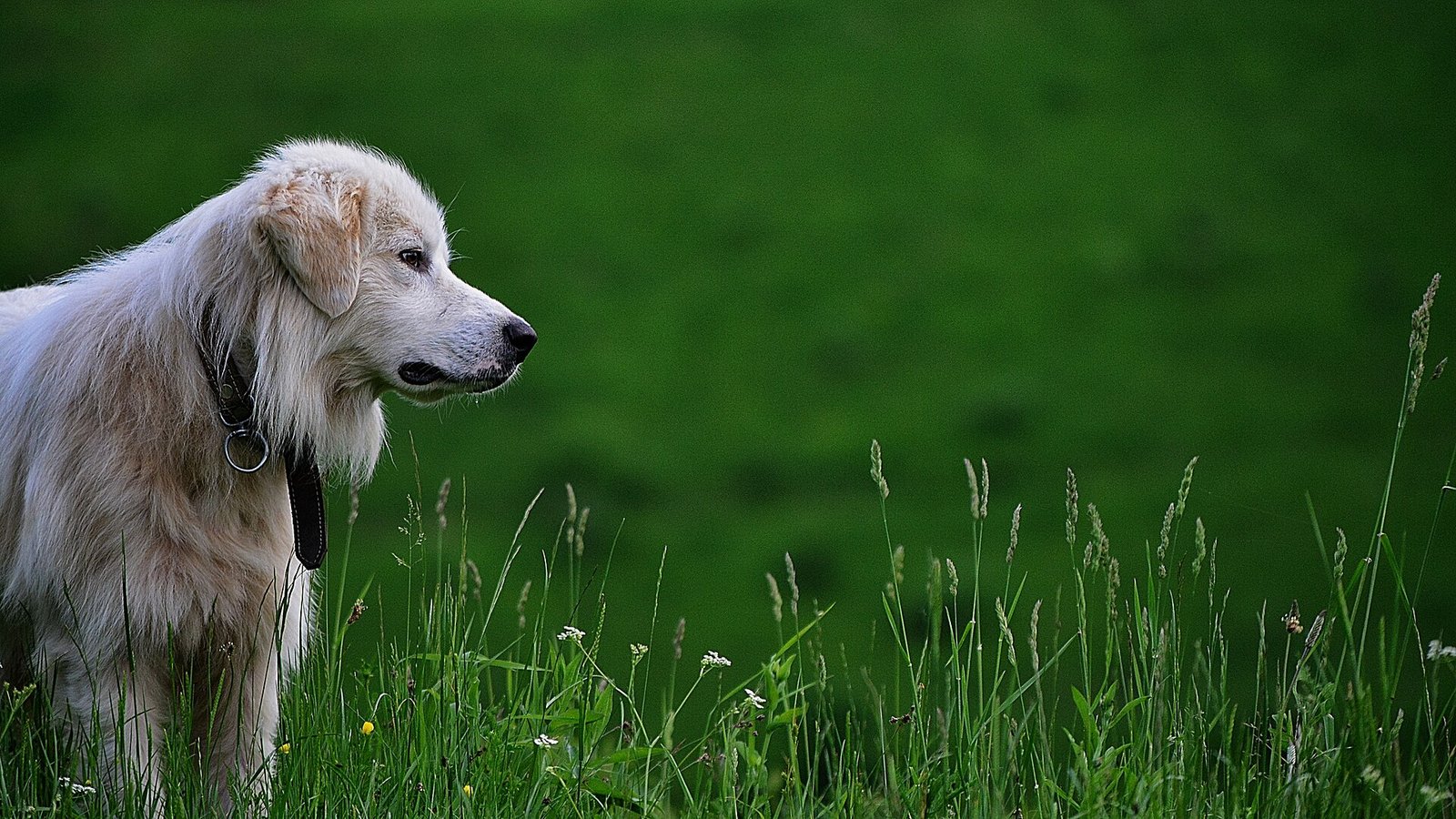
Many dog owners have watched their dog happily munch on grass during a walk and wondered whether something is wrong. Grass eating is extremely common in dogs, and in most cases it is normal behavior rather than a sign of illness. Still, there are a few situations where it is worth paying attention.
Free tool: use our Can My Dog Eat This? checker to search 58 common foods to see which are safe, need caution or are toxic.
How common is it?
Very common. Surveys of dog owners have found that a large majority of dogs eat grass or other plants at least occasionally. Wolves and other wild canines have also been observed eating plant material, which suggests this behavior has deep roots.
Do dogs eat grass because they feel sick?
This is a popular belief, but research suggests it is usually not the case. In owner surveys, most dogs did not seem unwell before eating grass, and only a minority vomited afterward. So while some dogs may eat grass when their stomach is upset, most grass eating appears to happen in healthy dogs.
Possible reasons dogs eat grass
- They like it. Some dogs seem to enjoy the taste or texture, especially fresh spring grass.
- Natural behavior. Eating some plant material may be an instinct inherited from wild ancestors.
- Boredom. Dogs without enough exercise or mental stimulation may graze out of boredom.
- Fiber. Some people suspect dogs seek extra fiber, though this has not been clearly proven.
- Upset stomach. A smaller number of dogs may eat grass when they feel nauseous.
When grass eating can be a problem
- Chemicals. Lawns and parks may be treated with herbicides, pesticides or fertilizers that can be harmful. Avoid letting your dog graze in areas that may have been sprayed.
- Toxic plants. Dogs may eat other plants along with grass, and some garden and house plants are toxic to dogs.
- Parasites. Grass can be contaminated with the feces of other animals, which may carry intestinal parasites. Regular deworming and parasite prevention help reduce the risk.
- Grass seeds and awns. Sharp seed heads can get stuck in the mouth, throat, nose or paws.
When to talk to your vet
Contact your veterinarian if your dog:
- Suddenly starts eating grass much more than usual or eats it frantically
- Vomits frequently, has diarrhea or seems unwell
- Has a reduced appetite, weight loss or lethargy
- Seems to be eating unusual things, such as soil, stones or fabric
- Coughs, gags or paws at the mouth after eating grass, which may suggest something is stuck
These signs may point to digestive problems or another medical issue that needs attention.
How to reduce grass eating
- Provide more exercise and enrichment, such as longer walks, sniffing games and food puzzles.
- Teach a “leave it” cue and reward your dog for moving away from grass.
- Bring a toy or treats on walks to redirect your dog’s attention.
- Avoid treated lawns and keep your own garden free of toxic plants and chemicals your dog could eat.
- Feed a complete and balanced diet suited to your dog’s life stage.
The bottom line
For most dogs, eating a little grass is normal and harmless. Focus on keeping your dog away from chemically treated areas and toxic plants, and talk to your vet if the behavior changes suddenly or comes with other symptoms.
Related guides
- How Often Should You Take Your Dog to the Vet? A Life-Stage Guide
- Fleas, Ticks and Heartworm: A Practical Prevention Guide for Dogs
- Core vs. Non-Core Dog Vaccines: What Every Owner Should Know
This article is for general information only. Contact your veterinarian if you are concerned about your dog’s health.