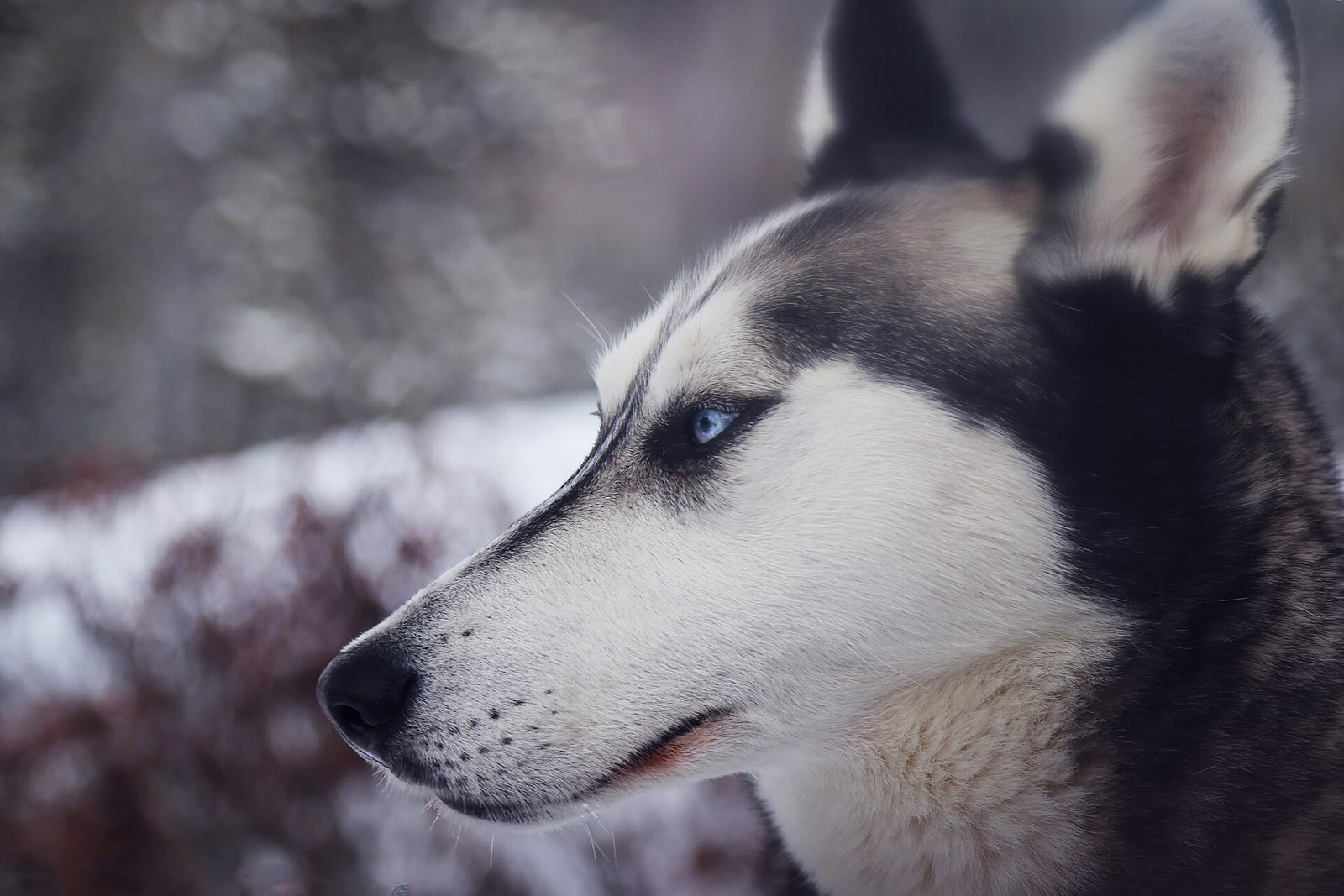
Regular brushing is one of the simplest ways to keep your dog healthy and comfortable. It removes loose hair and dirt, prevents painful mats, spreads natural skin oils and gives you a chance to spot lumps, ticks or skin problems early. The right tools and routine depend on your dog’s coat type.
Short, smooth coats
Examples: Beagles, Boxers, Labrador Retrievers (which also have an undercoat), Dachshunds (smooth).
Short coats are low-maintenance but still shed, sometimes a lot. A rubber curry brush or grooming mitt loosens dead hair, and a soft bristle brush finishes the coat. Brushing once a week is usually enough, more during shedding seasons.
Double coats
Examples: German Shepherds, Huskies, Golden Retrievers, Pomeranians.
These dogs have a dense, soft undercoat beneath longer guard hairs. They typically shed heavily once or twice a year, often called “blowing coat.”
- Use an undercoat rake to remove loose undercoat.
- Follow with a slicker brush and a metal comb.
- Brush a few times a week, and daily during heavy shedding.
- Pay attention to areas behind the ears, the “pants” on the back legs and the tail, where mats form.
Shaving double-coated dogs is generally not recommended unless your vet advises it, since the coat helps regulate temperature and protect the skin.
Long, silky coats
Examples: Shih Tzus, Yorkshire Terriers, Maltese, Afghan Hounds.
Long coats tangle easily. Brush daily or every other day with a pin brush or slicker brush, then go through with a wide-toothed metal comb to find hidden knots. Many owners of these breeds choose a shorter, easy-care trim from a professional groomer.
Curly coats
Examples: Poodles, Bichon Frises, many Doodle crossbreeds.
Curly coats shed less but mat quickly because loose hair gets trapped in the curls. Brush several times a week, ideally daily, with a slicker brush, using a technique called “line brushing”: lift a section of hair, brush from the skin outward and work through the coat section by section. Check with a comb that you can reach the skin. Professional grooming every four to eight weeks is common.
Wire coats
Examples: Wire Fox Terriers, Schnauzers, Wirehaired Dachshunds.
Wire coats are brushed weekly with a slicker brush and comb. Show dogs are often “hand-stripped,” removing dead hair by hand to maintain the coat’s texture; pet dogs are often clipped instead.
How to brush without stress
- Start with short sessions and plenty of treats, especially with puppies.
- Brush in the direction of hair growth.
- Be gentle around sensitive areas such as the belly, armpits and behind the ears.
- Stop before your dog becomes uncomfortable, and end on a positive note.
Dealing with mats
Small tangles can often be worked loose gently with your fingers and a comb, starting at the outer edge. Large or tight mats pull painfully on the skin and can hide irritation underneath. Do not try to cut mats out with scissors close to the skin; it is very easy to cut your dog. A professional groomer or your vet can safely clip them out.
What to look for while brushing
Brushing is a great time for a quick health check. Look for lumps, ticks, fleas or flea dirt, red or flaky skin, hot spots, cuts or anything unusual. Mention new findings to your veterinarian. For more on skin issues, see our guide to itchy skin in dogs.
This article is for general information only. A professional groomer can recommend the best routine for your dog’s specific coat.